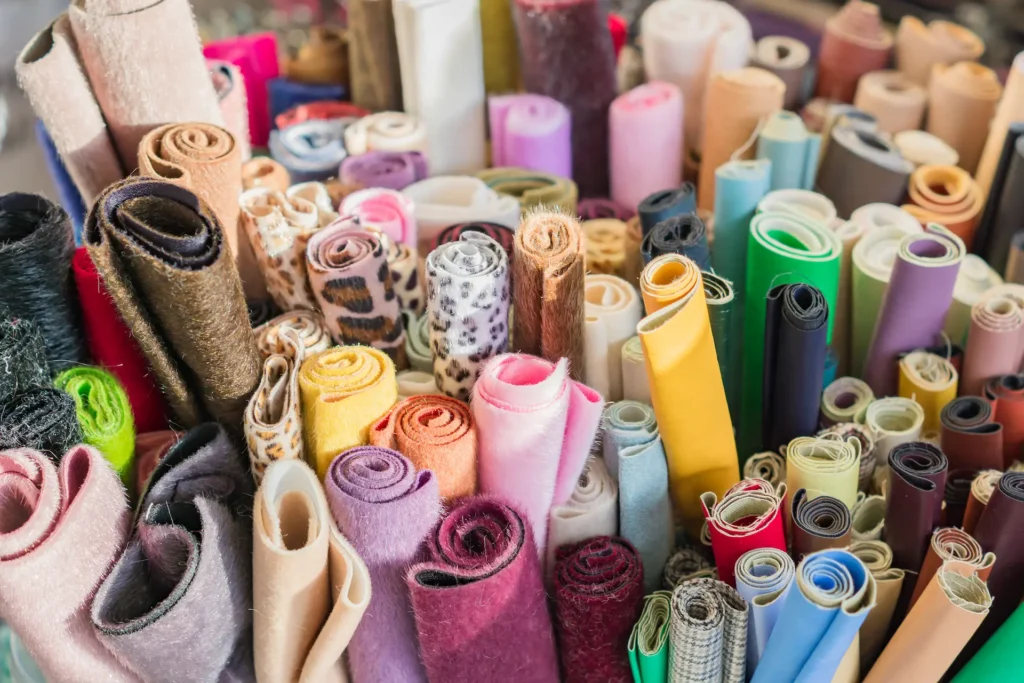
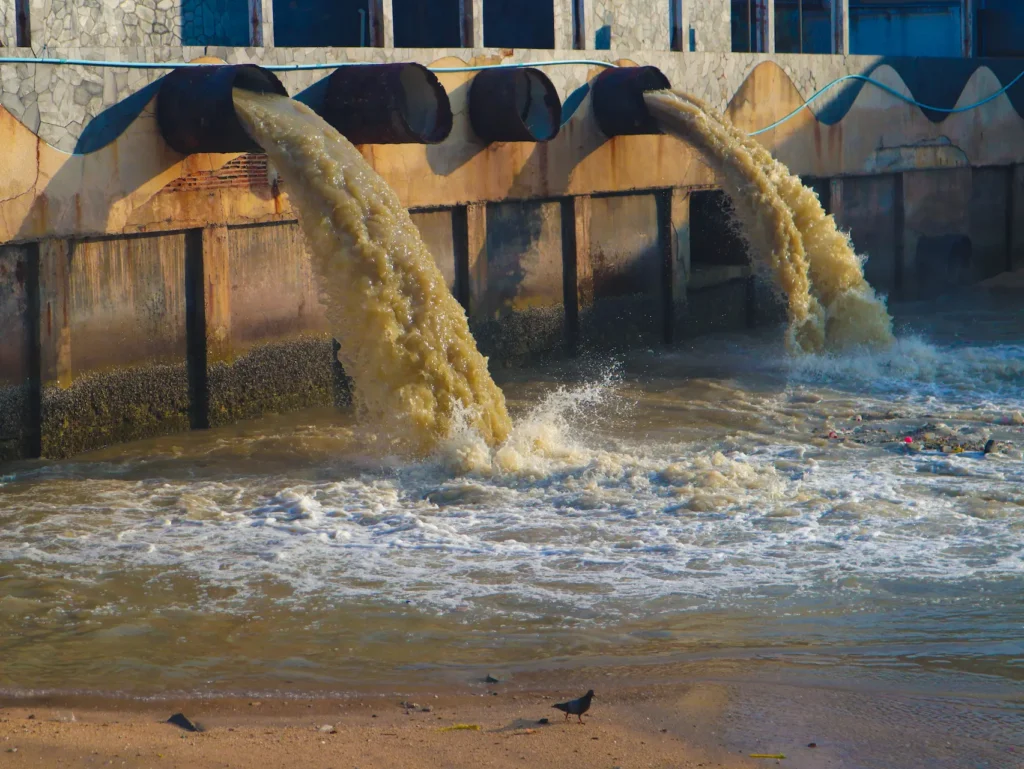
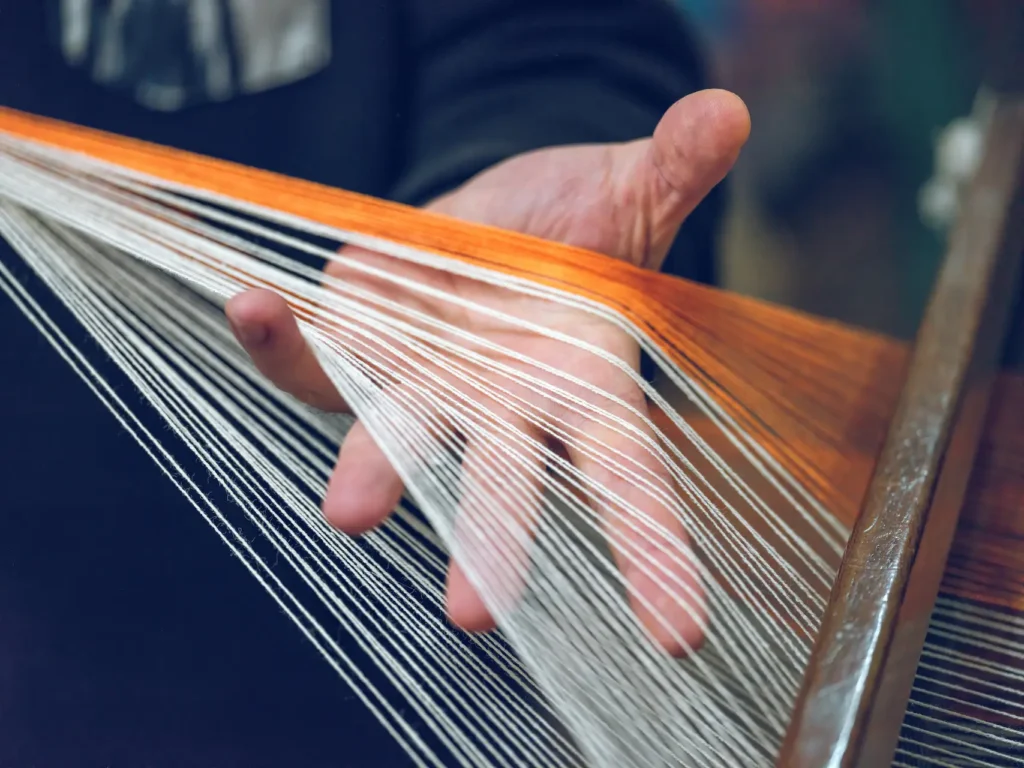
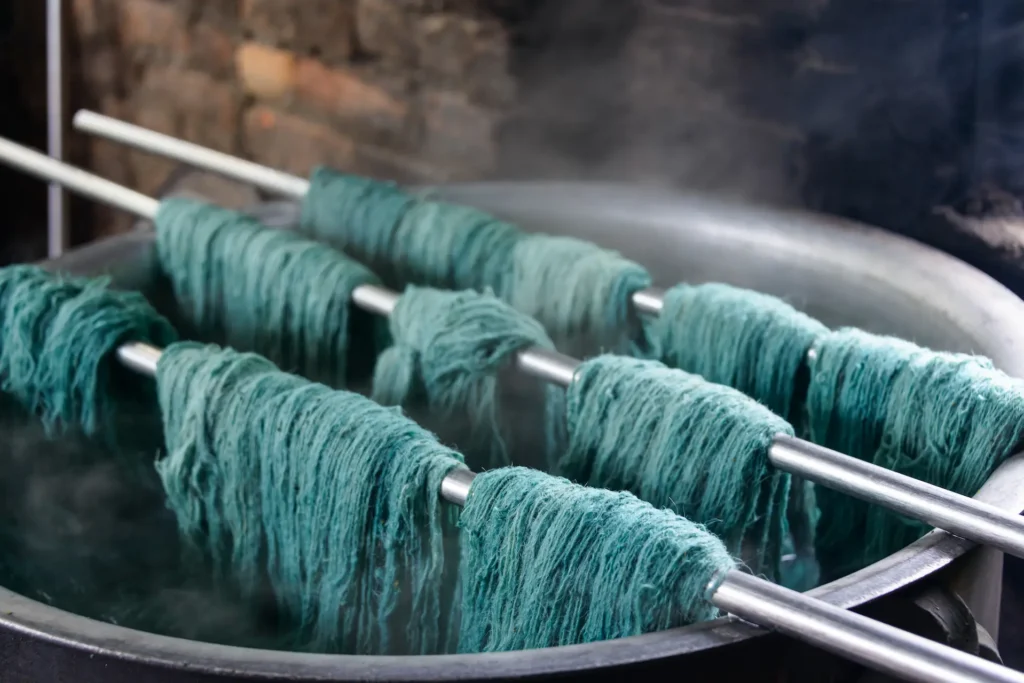
The textile dyeing and leather processing industries are traditionally known for their high water consumption and heavy pollution loads. Wastewater from these sectors is complex, often containing large quantities of dyes, organic additives, surfactants, heavy metals, and fats. It is typically characterized by high color intensity, chemical oxygen demand (COD), and poor biodegradability. These factors pose significant challenges to conventional treatment technologies. In response to increasingly stringent environmental regulations and the growing need for water reuse, tubular ultrafiltration (UF) membranes have emerged as a highly effective and reliable solution for wastewater treatment in these industries.
Designed with wide flow channels, tubular UF membranes are ideal for treating wastewater with high concentrations of suspended solids, colorants, and organic pollutants. Their robust structure and strong chemical resistance make them capable of removing dyes, large organic molecules, colloids, and emulsified oils efficiently. This not only improves the quality of the treated water but also protects downstream systems such as reverse osmosis (RO) or nanofiltration (NF) by significantly reducing membrane fouling, thereby extending system lifespan and improving overall performance. In the textile sector, tubular UF membranes are commonly used after biological or physicochemical pretreatment to further purify the effluent, reduce color, and stabilize water quality for reuse. In leather processing, UF systems are especially useful for handling high-strength wastewater from degreasing and dyeing processes, removing grease, proteins, and chromium compounds.
Moreover, tubular UF systems offer excellent operational stability and low maintenance. They can handle high operating pressures and sludge concentrations, with flux rates ranging from 80–200 L/m²·h depending on water quality. The membranes can be cleaned effectively using physical backwashing, air scouring, and chemical cleaning methods, resulting in low cleaning frequency and reduced operating costs. Thanks to their modular design, the systems are easy to install, scale, or retrofit, making them suitable for both new facilities and upgrades of existing wastewater treatment lines.
As environmental compliance becomes more critical and industries pursue sustainable water management strategies, an increasing number of textile and leather manufacturers are turning to advanced membrane technologies to meet discharge standards and enhance water reuse. Tublis tubular UF membranes, with their superior durability, filtration performance, and cost-effectiveness, have been successfully deployed in a wide range of industrial projects, helping clients achieve reliable wastewater treatment, regulatory compliance, and long-term environmental goals.